

- English
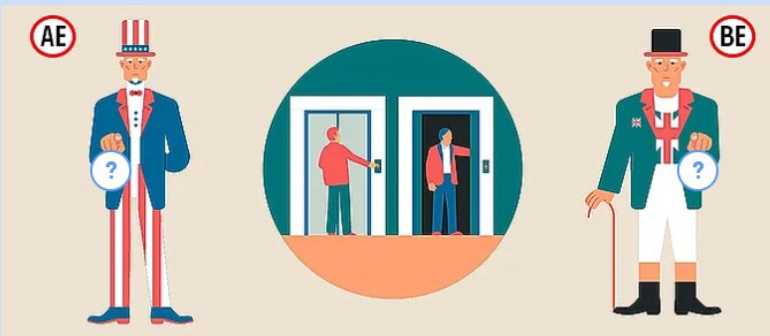
British or Amrican english
In this class we will see the difference between British English and American English, we will spell different words and phrases and practice speaking skills.
- Theory with exercises
- Elementary
 English

In this class we will see the difference between British English and American English, we will spell different words and phrases and practice speaking skills.
English
We consulted EFL experts, and also tapped into the expertise of the staff within our IH schools, to share their favourite TV shows for learners of English. Whether you're new to teaching or are experienced in your field, these timeless tips might give you some food for thought in the classroom.
English
Create a lesson by adding multiple slides, each capable of holding a diverse range of content blocks, including text, video, images, and more. Choose the appropriate type and quantity of content for each slide as needed. Create a lesson by adding multiple slides, each capable of holding a diverse range of content blocks, including text, video, images, and more. Choose the appropriate type and quantity of content for each slide as needed.
English
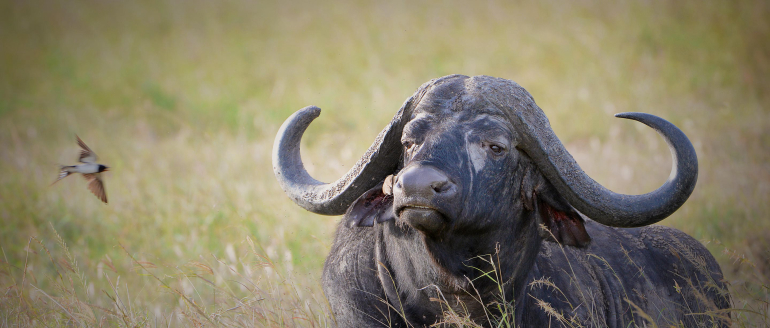
Safari class in GLOW marathon of English
English
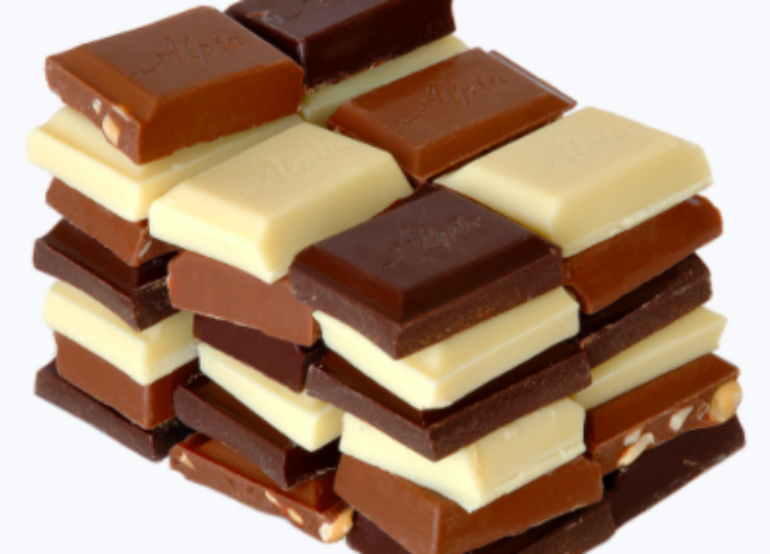
BOB DOUGHTY: I'm Bob Doughty. SHIRLEY GRIFFITH: And I'm Shirley Griffith with EXPLORATIONS in VOA Special English. Today we travel around the world exploring the history of chocolate. Its story begins with a plant whose scientific name, Theobroma cacao, means "food of the gods." For centuries, people have been enjoying the rich flavor of chocolate, a product made from this plant. Join us as we tell about the history of chocolate and how it is produced. We will also meet Jane Morris, a chocolate maker in Washington, DC. (MUSIC) BOB DOUGHTY: Most people today think of chocolate as something sweet to eat or drink than can be easily found in stores around the world. It might surprise you that chocolate was once highly treasured. SHIRLEY GRIFFITH: Historians believe the Maya people of Central America first learned to farm cacao plants around two thousand years ago. The Maya took the cacao trees from the rainforests and grew them in their gardens. They cooked the cacao seeds, then crushed them into a soft paste. They mixed the paste with water and flavorful spices to make an unsweetened chocolate drink. The Maya poured the chocolate drink back and forth between two containers so that the liquid had a layer of bubbles, or foam. Cacao and chocolate were an important part of Maya culture. There are often images of cacao plants on Maya buildings and art objects. Ruling families drank chocolate at special ceremonies. And, even poorer members of society could enjoy the drink once in a while.
English
This is an introductory class where your teacher will check the level of English
English
In this lesson we will discuss travelling, know more about Brazil and learn Present Simple tense
English
This class is about digital nomads and remote work. Also in this lesson we will discuss modal verbs and see how to use them. We will also have some speaking practice.
English
In this class we will discuss working conditions and modal verbs of obligation
English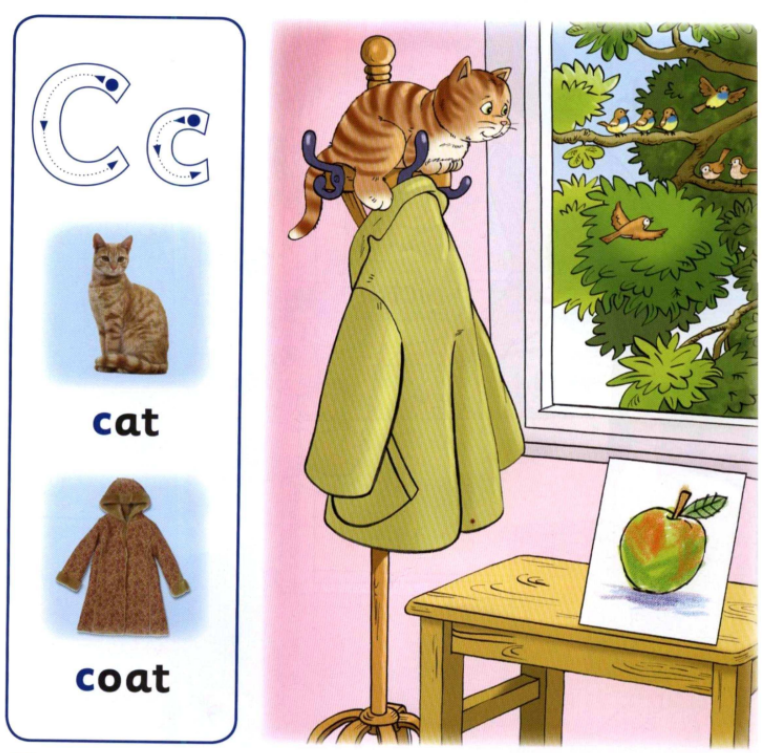
-stand up, sit down, clap, point, jump, put hand up/down -letters C and D -new words: cat, coat, dog, date
English