

- English
alphabet video
alphabet video for kids/alphabet video for kids
- Video
- Beginner
 English

alphabet video for kids/alphabet video for kids
English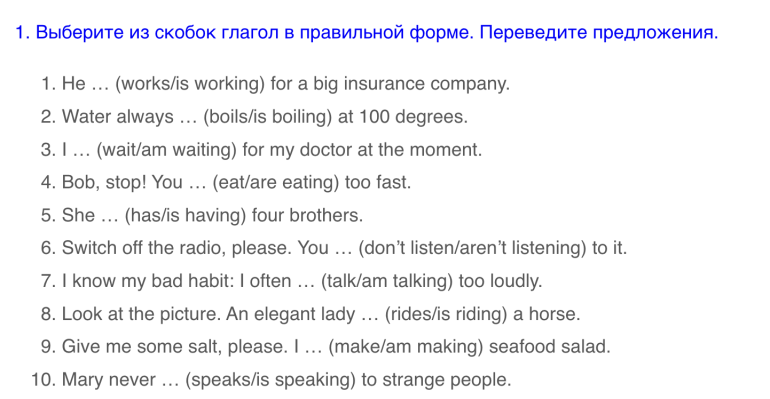
1. I (to do) morning exercises. 2. He (to work) at a factory. 3. She (to sleep) after dinner. 4. We (to work) part-time. 5. They (to drink) tea every day. 6. Mike (to be) a student. 7. Helen (to have) a car. 8. You (to be) a good friend. 9. You (to be) good friends. 10. It (to be) difficult to remember everything.
English
This is the VOA Special English Education Report. Web browsers first appeared on computers in the early nineteen nineties. Since then, the Internet has greatly changed the way people communicate. But some teachers think the changes are not all for the better.
English

Этот материал поможет вам практиковать навыки говорения (Speaking), грамматики (Grammar) и словарного запаса (Vocabulary)
Russian
-----
English

Dragons’ Den is a staple of British television, where ambitious entrepreneurs pitch their business ideas to a panel of multi-millionaire investors. In Part 1 of this guide, we dive into the real-world business vocabulary used inside the Den. You’ll learn key terms and idioms related to valuation, equity, pitch presentations, and negotiations. Whether you're aiming to sharpen your professional English for meetings, boost your listening comprehension, or master the art of the pitch, this episode breaks down native expressions through the lens of high-stakes television drama.
English
Приглашаем всех посетить бесплатный онлайн вебинар по теме "Релокация, обучение и работа за рубежом"
English
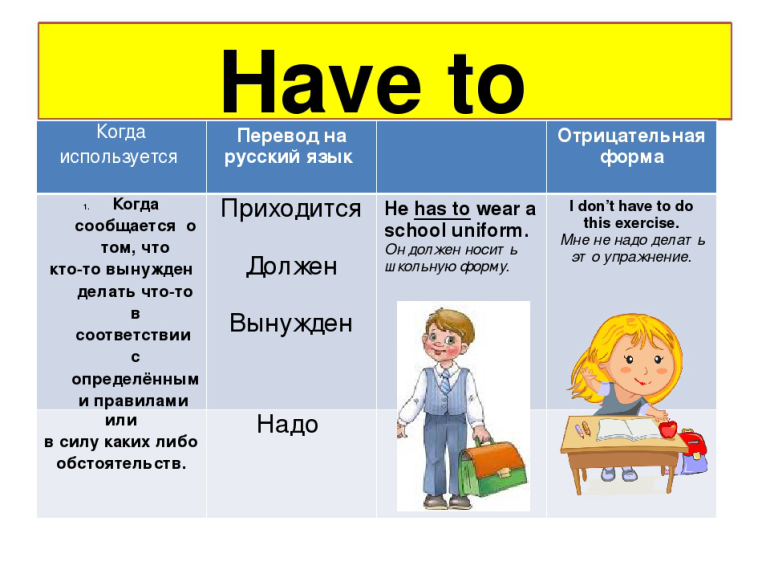
Глагол have в английском языке относится к наиболее часто употребляемым в речи глаголам. У глагола have множество значений, он может выступать как смысловой или вспомогательный. Помимо его прямого значения — иметь, владеть, обладать, этот глагол участвует в огромном количестве выражений и словосочетаний, в которых он приобретает куда более широкое значение.
Russian

Хотите расширить свой словарный запас интересными ИДИОМАМИ английского языка? Тогда вам сюда! В этом уроке вы выучите очень полезные выражения идиоматического характера на тему «Настроение». Как вы понимаете, речь будет идти как о плохом, так и о хорошем настроении. И начнем мы, наверное, с «хороших» идиом.
Russian
Рассмотрим, как образовать вопрос во времени Present Simple (простое настоящее время) Когда используется Do в Present Simple Когда используется Does в Present Simple Специальные вопросы в Present Simple Тест
English