
- English
Grammar
GrammarGrammarGrammarGrammarGrammarGrammarGrammar
- Theory with exercises
- Pre-Intermediate
 English

GrammarGrammarGrammarGrammarGrammarGrammarGrammar
English
A few years ago there were lots of lightbulb jokes in English. You probably had them in your language too. Here is an example. How many policemen/civil servants/school teachers does it take to change a lightbulb? Five – one to stand on a table holding the lightbulb, and four to pick the table up and turn it round. Some people find these jokes very funny. Other people don't think they are funny at all.
English

In this class we will talk about hobbies and present simple (negative sentences and time markers)
English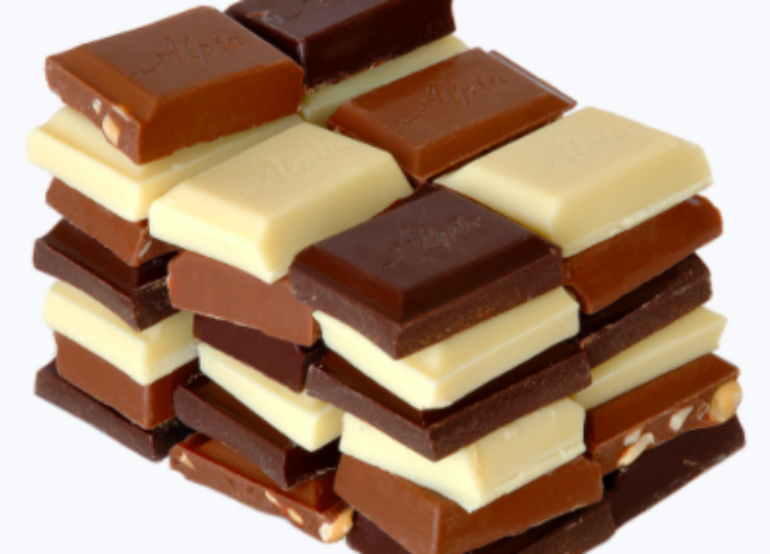
BOB DOUGHTY: I'm Bob Doughty. SHIRLEY GRIFFITH: And I'm Shirley Griffith with EXPLORATIONS in VOA Special English. Today we travel around the world exploring the history of chocolate. Its story begins with a plant whose scientific name, Theobroma cacao, means "food of the gods." For centuries, people have been enjoying the rich flavor of chocolate, a product made from this plant. Join us as we tell about the history of chocolate and how it is produced. We will also meet Jane Morris, a chocolate maker in Washington, DC. (MUSIC) BOB DOUGHTY: Most people today think of chocolate as something sweet to eat or drink than can be easily found in stores around the world. It might surprise you that chocolate was once highly treasured. SHIRLEY GRIFFITH: Historians believe the Maya people of Central America first learned to farm cacao plants around two thousand years ago. The Maya took the cacao trees from the rainforests and grew them in their gardens. They cooked the cacao seeds, then crushed them into a soft paste. They mixed the paste with water and flavorful spices to make an unsweetened chocolate drink. The Maya poured the chocolate drink back and forth between two containers so that the liquid had a layer of bubbles, or foam. Cacao and chocolate were an important part of Maya culture. There are often images of cacao plants on Maya buildings and art objects. Ruling families drank chocolate at special ceremonies. And, even poorer members of society could enjoy the drink once in a while.
English
Полезный урок для тренировки разговорного английского и произношения. Сначало читаете с английскими субтитрами, а потом без помощи субтитров. Упражнение не на понимание текса, а именно тренировка речи.
English

Hello everyone. A few years ago, I moved from England to New Zealand to coach football to children in Auckland, the biggest city in New Zealand. I'd like to tell you about the differences between football in England and football in New Zealand. I grew up in London in England and spent many hours as a child playing football with my friends in the park. We used to play football after school and at the weekend, and often all day long in the school holidays. One of the first things I noticed when I moved to New Zealand was that very few children play football after school or at the weekends. Even on a sunny day in New Zealand, many of the parks will be completely empty! In cities in England, children will arrange to meet their friends for a game in the park, but in New Zealand the children only ever play football when it's organised for them by their parents or by their team coach. If you've ever played football, you will know that it takes many hours of practice to get skilful and make the ball do anything you want it to. Sometimes it can take lots and lots of mistakes before a child gets it right! In New Zealand, children don't spend a lot of time playing football on their own so they don't try new things and make mistakes. Instead they spend an hour or two a week being told what to do by a parent or a coach. This means they don't get to make their own mistakes and learn things for themselves. Imagine learning English and never being allowed to make a mistake? It would be very difficult, and not much fun either!
English
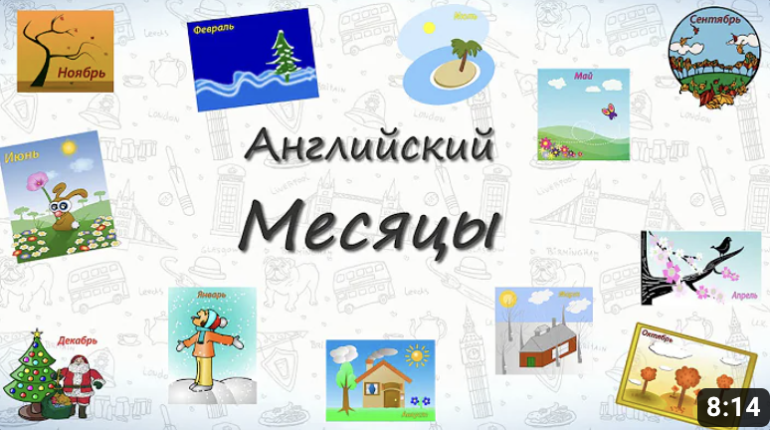
Spring – March, April, May Autumn – September, October, November Winter – December, January, February Summer – June, July, August
Russian

Intelligence. What does it mean? The word "intelligence" has two main meanings in English. First, it can mean "mental capacity" – if you are intelligent, you can think clearly and rationally, for example. But "intelligence" also means information. For example, we can talk about "market intelligence" – and that means, information about what is happening in a market, such as the stock market or the international oil market. Very often, we use "intelligence" to mean information which is secret, or which has been obtained illegally.
English
In this lesson we will learn present simple
English English