


- English
Out of School Hours Care
Подкаст, продолжительность 11 минут, Как в Австралии решают вопрос где и с кем оставить детей после школы, пока родители работают.
- Podcast
- Upper Intermediate
 English

Подкаст, продолжительность 11 минут, Как в Австралии решают вопрос где и с кем оставить детей после школы, пока родители работают.
English
BOB DOUGHTY: I'm Bob Doughty. SHIRLEY GRIFFITH: And I'm Shirley Griffith with EXPLORATIONS in VOA Special English. Today we travel around the world exploring the history of chocolate. Its story begins with a plant whose scientific name, Theobroma cacao, means "food of the gods." For centuries, people have been enjoying the rich flavor of chocolate, a product made from this plant. Join us as we tell about the history of chocolate and how it is produced. We will also meet Jane Morris, a chocolate maker in Washington, DC. (MUSIC) BOB DOUGHTY: Most people today think of chocolate as something sweet to eat or drink than can be easily found in stores around the world. It might surprise you that chocolate was once highly treasured. SHIRLEY GRIFFITH: Historians believe the Maya people of Central America first learned to farm cacao plants around two thousand years ago. The Maya took the cacao trees from the rainforests and grew them in their gardens. They cooked the cacao seeds, then crushed them into a soft paste. They mixed the paste with water and flavorful spices to make an unsweetened chocolate drink. The Maya poured the chocolate drink back and forth between two containers so that the liquid had a layer of bubbles, or foam. Cacao and chocolate were an important part of Maya culture. There are often images of cacao plants on Maya buildings and art objects. Ruling families drank chocolate at special ceremonies. And, even poorer members of society could enjoy the drink once in a while.
English

This is the VOA Special English Education Report. Web browsers first appeared on computers in the early nineteen nineties. Since then, the Internet has greatly changed the way people communicate. But some teachers think the changes are not all for the better.
English
Dragons’ Den is a staple of British television, where ambitious entrepreneurs pitch their business ideas to a panel of multi-millionaire investors. In Part 1 of this guide, we dive into the real-world business vocabulary used inside the Den. You’ll learn key terms and idioms related to valuation, equity, pitch presentations, and negotiations. Whether you're aiming to sharpen your professional English for meetings, boost your listening comprehension, or master the art of the pitch, this episode breaks down native expressions through the lens of high-stakes television drama.
English
In this class we will discuss what sucessfull public speech is, you experience with it, evaluate speech of other persons. Also we will discuss grammar - usage of structures to express past habits and actions.
English

In this class we will revise future constraction and adverbs
EnglishIn this class we will talk about sport and revise question forms of present simple and continuous
English
In this class we will discuss the topic or Charities and the need of helping people. We will have a lot of discussion. Also we will revise grammar - articles.
English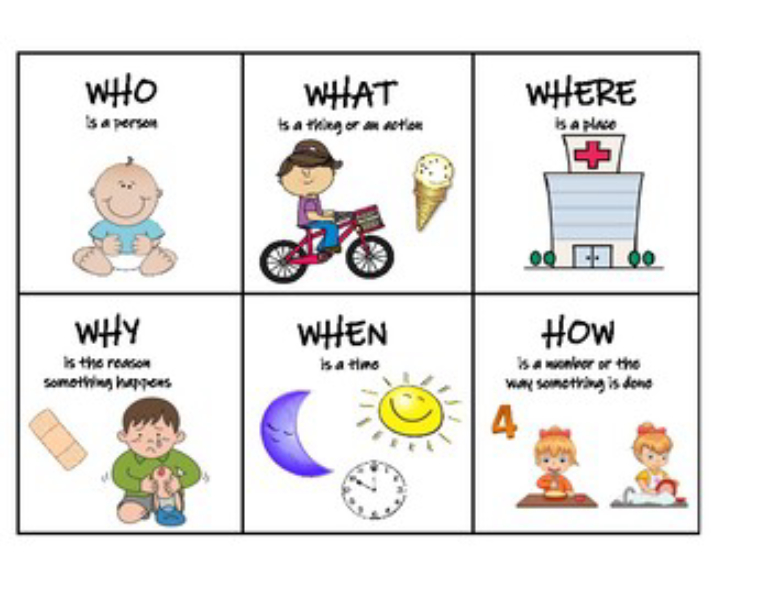
Легкий тест для детей на знание специальных вопрос в английском языке
English
GLOLW marathone Day 3 Australia and New Zealand
English

In this lesson we will talk about burnout at life and revise linking words.
EnglishIn this class weather forecast and grammar rules - going to be and modal verb might be
English
In this class we will lear n Past continuous
EnglishSubject and object questions, people
English