
- English
Shrek
Shrek lesson in GLOW marathon for teenagers
- Theory with exercises
- Intermediate
 English

Shrek lesson in GLOW marathon for teenagers
English
In this class we will revise previous grammar
English

In this class we will discuss weather and learn Future Simple
English
This lesson is about success, understanding of this term, speaking section. We will revise past (or narrative tenses) and how to differ them
EnglishIn this class we will revise present and past simple and continuous, articles and jobs vocabulary and do speaking tasks
EnglishWe will revise should and have got
EnglishIn this class we will revise alphabet, learn numbers and To be, days of week
English
In this class we will discuss relationship crisis and what are the reasons of breaking up for couples. We will share experiences and see psycological points of view. Also we will look at the grammar topic "Should you..."
EnglishIn this lesson we will discover Middle Ages and learn new words, also we will meet the King Arthur and his story
English
In this class we will talk about motivation at work and life.
English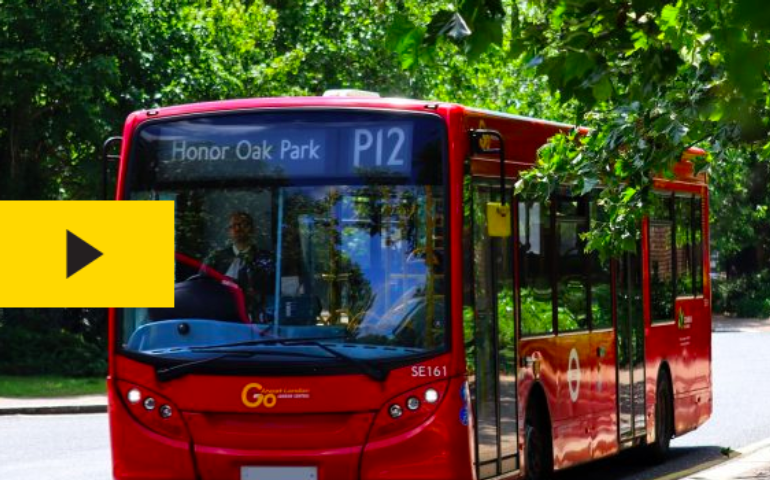
If you heard that there was a piece of technology that could do away with traffic jams, make cities more equitable, and help us solve climate change, you might think about driverless cars, or hyperloops or any of the other new transportation technologies that get lots of hype these days. But there is a much older, much less sexy piece of machinery that could be the key to making our cities more sustainable, more liveable, and more fair: the humble bus. Steven Higashide is a transit expert, bus champion, and author of a new book called Better Buses Better Cities. And the central thesis of the book is that buses have the power to remake our cities for the better. But he says that if we want the bus to reach its potential, we’re going to have to make the experience riding one, a lot more pleasant.
English
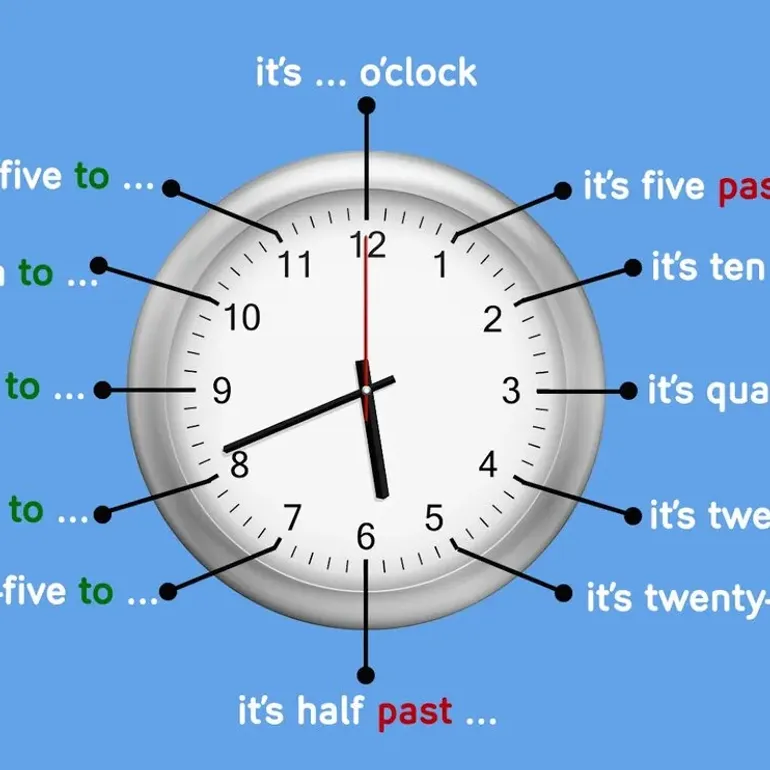
This lesson helps learners understand how to ask for and tell the time in English. Students will learn key expressions such as o’clock, half past, quarter past/to, and how to use a.m. and p.m. They will also practice common questions and answers: “What time is it? – It’s …” and “When does it start? – At …”.
English
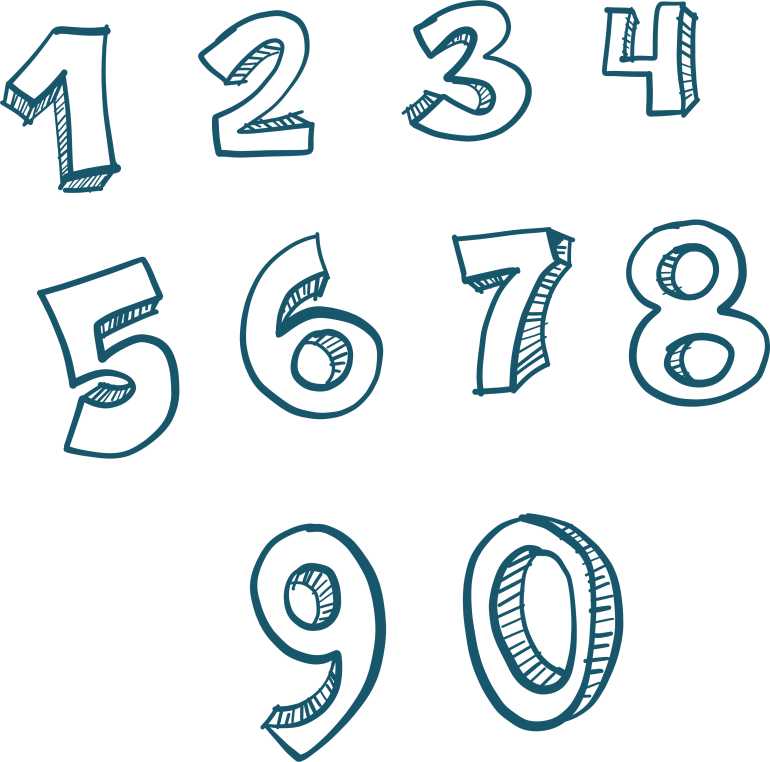
Match the pairs, learn numbers in English
English
----
English
Интересный видео урок по фильму "Гарри Поттер и филосовский камень". Все объяснения идут на английском языке, рекомендуется смотреть с уровнем Intermediate (средний)
Russian
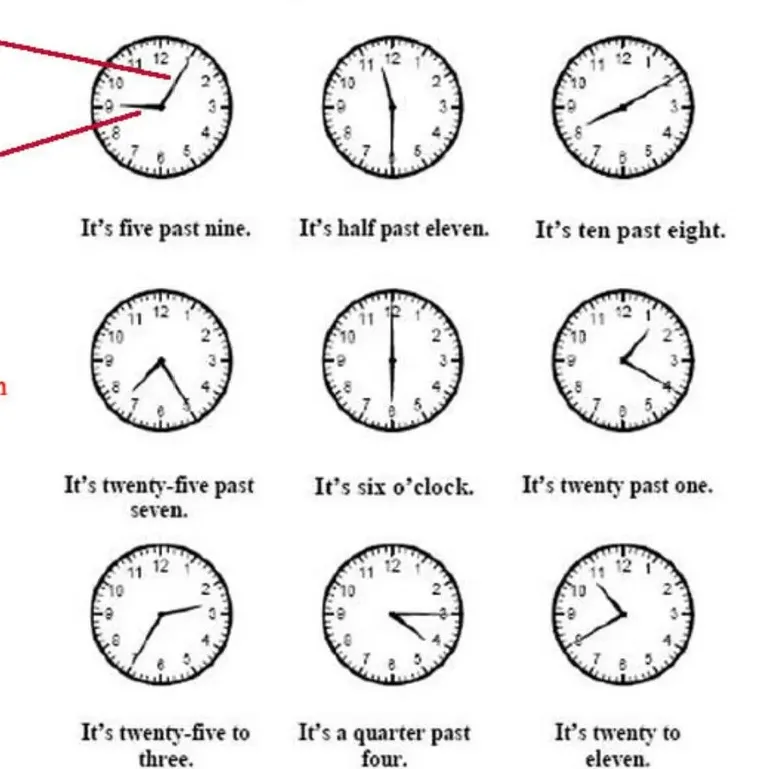
This lesson helps learners understand how to ask for and tell the time in English. Students will learn key expressions such as o’clock, half past, quarter past/to, and how to use a.m. and p.m. They will also practice common questions and answers: “What time is it? – It’s …” and “When does it start? – At …”. The lesson includes: Vocabulary and numbers 1–59 Different ways of telling the time (analog & digital clocks) Using past / to for minutes Expressions with in the morning/afternoon/evening, at night Daily routine activities with time references Activities involve dialogues, matching clocks with the correct time, and role plays to practice schedules and appointments. By the end of the lesson, learners will be able to confidently tell and ask the time in English.
English
In this lesson we review family members and possessive
English

State the whether the following sentences are simple, complex or compound.
English
English pronunciation for Spanish speakers. If Spanish is your native language, this video will help you to fix a common mistakes that Spanish speakers make when they're speaking English. When the letter S is at the beginning of a word and the following letter is a consonant, make sure that you don't add an extra vowel sound before the word. For example, don't say "estudy". Don't take a breath before you say the word. Just start saying the "s". Watch this video for other examples.
English
Have you a dream? I mean, is there something that you would really like to do in your life – such as travelling round the world, or writing a best-selling novel, or climbing Mount Everest, or learning a new language. Good. It is important that we have dreams like these. But what would you do to achieve your dream. Would you, for example, walk out of your job so that you could do the thing you really want to do? Hmm. That might be difficult. How would you get the money you need to live on? And suppose you had a well-paid and very important job. Would you give that job up to pursue your dream? This morning's newspapers tell us about someone who has done just that. His name is Paul Drayson. He is 47 years old. He started his career as a businessman, and he was very successful. He made a fortune as boss of a company which makes equipment for giving people medical injections without sticking a needle into them. Then he became interested in politics. He gave a lot of money to the Labour Party. The government made him a member of the House of Lords, which is the upper chamber of the British parliament. (This means that he is now Lord Drayson, and not plain, ordinary Mr Drayson.) Then Lord Drayson became a minister in the government, at the Ministry of Defence. He was responsible for buying equipment for the British armed forces. Both the government’s supporters and his opponents said that he was good at his job. He obviously had a bright political career ahead of him. But Lord Drayson had a dream. It was a dream about driving motorcars very fast. He bought a 6-litre Aston Martin racing car. He drove it around race tracks. He competed in races; then he started to win some of the races, and this year he came third in the British GT championship. (The GT championships are for cars which are nearly the same as cars which you can drive on normal roads). People who know him say that, as a racing driver, Paul Drayson is both brave and intelligent.
English