


- English
lesson 1
What to use - Is or Does/Are or Do?
- Theory with exercises
- Elementary
 English

What to use - Is or Does/Are or Do?
English
Hello everyone. A few years ago, I moved from England to New Zealand to coach football to children in Auckland, the biggest city in New Zealand. I'd like to tell you about the differences between football in England and football in New Zealand. I grew up in London in England and spent many hours as a child playing football with my friends in the park. We used to play football after school and at the weekend, and often all day long in the school holidays. One of the first things I noticed when I moved to New Zealand was that very few children play football after school or at the weekends. Even on a sunny day in New Zealand, many of the parks will be completely empty! In cities in England, children will arrange to meet their friends for a game in the park, but in New Zealand the children only ever play football when it's organised for them by their parents or by their team coach. If you've ever played football, you will know that it takes many hours of practice to get skilful and make the ball do anything you want it to. Sometimes it can take lots and lots of mistakes before a child gets it right! In New Zealand, children don't spend a lot of time playing football on their own so they don't try new things and make mistakes. Instead they spend an hour or two a week being told what to do by a parent or a coach. This means they don't get to make their own mistakes and learn things for themselves. Imagine learning English and never being allowed to make a mistake? It would be very difficult, and not much fun either!
English
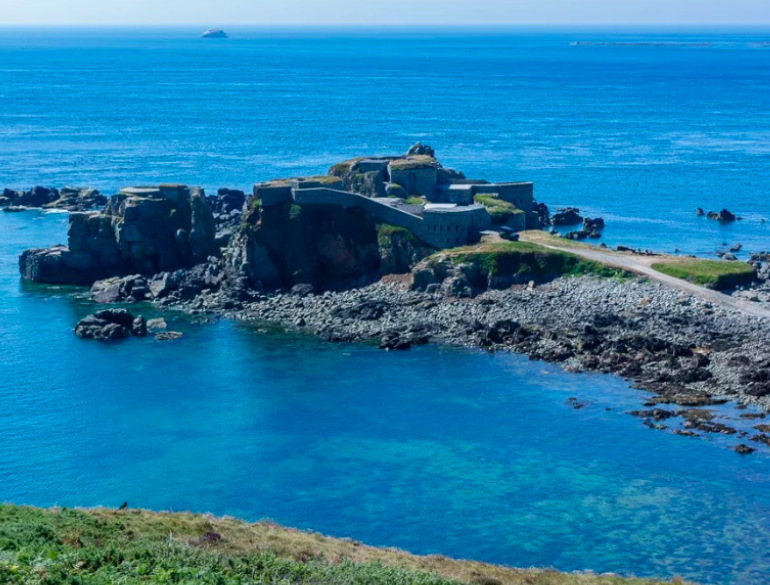
Today we visit the Channel Islands. The Channel Islands are a group of islands in the English Channel, close to the north coast of France. But they are not part of France. And they are not really part of Britain either. The British Queen is also ruler of the Channel Islands, and the British government looks after their defence and foreign affairs. But in other respects, the islands are tiny independent states – they have their own Parliaments and governments and their own laws. Until about 100 years ago, most people on the islands spoke a dialect of French, but today the main language is English.
English
In this class we will discuss the grammar topic - Present Perfect (have you ever...).
English

Intelligence. What does it mean? The word "intelligence" has two main meanings in English. First, it can mean "mental capacity" – if you are intelligent, you can think clearly and rationally, for example. But "intelligence" also means information. For example, we can talk about "market intelligence" – and that means, information about what is happening in a market, such as the stock market or the international oil market. Very often, we use "intelligence" to mean information which is secret, or which has been obtained illegally.
English
We consulted EFL experts, and also tapped into the expertise of the staff within our IH schools, to share their favourite TV shows for learners of English. Whether you're new to teaching or are experienced in your field, these timeless tips might give you some food for thought in the classroom.
English
Practice matching the opposite words!
English

Undoubtedly, you know what first aid is, but have you ever heard of emotional first aid? In this lesson, you will find out why it is crucial to care for mental health, how to recognise if someone is getting through life difficulties, and how to help them to manage their feelings and emotions to get back on track. Also, you will learn how to use a number of modal and non-modal verbs while speculating about getting over distressing situations.
English

Genres, films and useful words
English
Edward de Bono's Six Thinking Hats approach is a simple way to gain objective perception of information in all areas. Putting on a hat of a certain color, a person plays a certain role that corresponds to it, looks at the problem from a certain point of view. There are six hats: white, yellow, red, black, green and blue.
English