

- Другое...
- Статья
- Любой уровень
 Русский
 Русский
 Русский
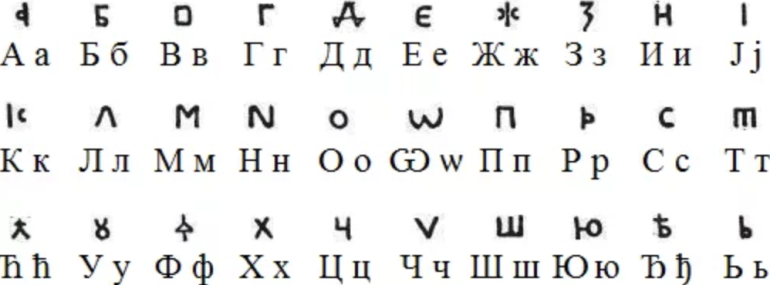
Босни́йский язы́к (также босняцкий, босанский, бошняцкий; самоназвание: bosanski jezik / босански језик) — язык южнославянской группы, традиционно считающийся этнолектом сербохорватского. Это язык мусульманского населения бывшей Югославии, распространённый преимущественно в Боснии и Герцеговине, где имеет официальный статус, в Сербии (главным образом, в области Новопазарский Санджак), в Черногории и в частично признанной Республике Косово. В Республике Сербской язык официально называется језик бошњачког народа. Основные отличия языка от сербского и хорватского заключаются в широко представленных турцизмах, арабизмах и персизмах, закрепившихся здесь во времена господства Османской империи. На боснийском говорит около 1,33 млн человек. Письменность на латинице-гаевице и кириллице-вуковице, ранее применялись также арабское письмо, глаголица и босанчица (местная разновидность кириллицы). Приложение для изучения боснийского языка: https://www.lingo-play.com/ru/онлайн-уроки-боснийского-языка/
Русский
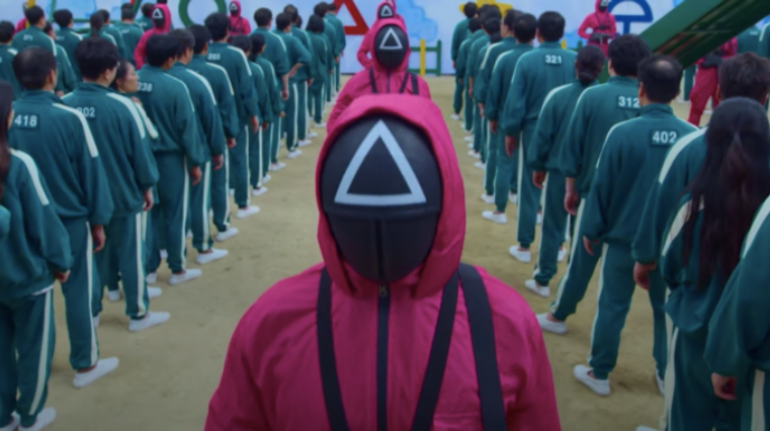
English lesson that is related to the Netflix tv series "Squid Game".
Английский

In this lesson we will revise past tenses and the verb would
Английский
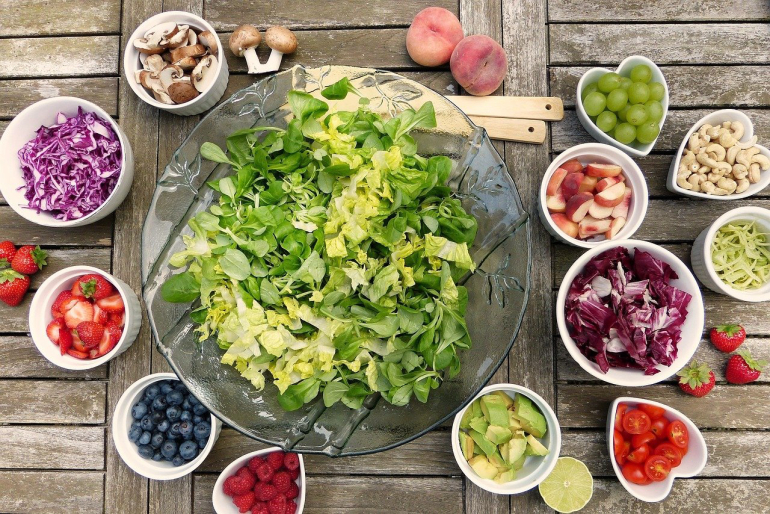
In this lesson we will discuss gastro-tourism and different cuisines. Also we will discuss grammar topic such as so», «such» and other intensifiers. also we will have speaking tasks.
Английский Русский
 Русский

Health - illnesses - how to teat illnesses Covid + omicron variend - reading + listening
Английский
В тесте 30 вопросов на проверку утвердительных, отрицательных, вопросительных форм во времени Present Simple. Тест не очень сложный, но парочка заковыристых моментов будет.
Русский РусскийРусский
Босни́йский язы́к (также босняцкий, босанский, бошняцкий; самоназвание: bosanski jezik / босански језик) — язык южнославянской группы, традиционно считающийся этнолектом сербохорватского. Это язык мусульманского населения бывшей Югославии, распространённый преимущественно в Боснии и Герцеговине, где имеет официальный статус, в Сербии (главным образом, в области Новопазарский Санджак), в Черногории и в частично признанной Республике Косово. В Республике Сербской язык официально называется језик бошњачког народа. Основные отличия языка от сербского и хорватского заключаются в широко представленных турцизмах, арабизмах и персизмах, закрепившихся здесь во времена господства Османской империи. На боснийском говорит около 1,33 млн человек. Письменность на латинице-гаевице и кириллице-вуковице, ранее применялись также арабское письмо, глаголица и босанчица (местная разновидность кириллицы). Приложение для изучения боснийского языка: https://www.lingo-play.com/ru/онлайн-уроки-боснийского-языка/
РусскийEnglish lesson that is related to the Netflix tv series "Squid Game".
АнглийскийIn this lesson we will revise past tenses and the verb would
АнглийскийРусскийРусскийБосни́йский язы́к (также босняцкий, босанский, бошняцкий; самоназвание: bosanski jezik / босански језик) — язык южнославянской группы, традиционно считающийся этнолектом сербохорватского. Это язык мусульманского населения бывшей Югославии, распространённый преимущественно в Боснии и Герцеговине, где имеет официальный статус, в Сербии (главным образом, в области Новопазарский Санджак), в Черногории и в частично признанной Республике Косово. В Республике Сербской язык официально называется језик бошњачког народа. Основные отличия языка от сербского и хорватского заключаются в широко представленных турцизмах, арабизмах и персизмах, закрепившихся здесь во времена господства Османской империи. На боснийском говорит около 1,33 млн человек. Письменность на латинице-гаевице и кириллице-вуковице, ранее применялись также арабское письмо, глаголица и босанчица (местная разновидность кириллицы). Приложение для изучения боснийского языка: https://www.lingo-play.com/ru/онлайн-уроки-боснийского-языка/
РусскийEnglish lesson that is related to the Netflix tv series "Squid Game".
АнглийскийIn this lesson we will revise past tenses and the verb would
АнглийскийРусскийРусскийРусский Русский
 Русский
В тесте 30 вопросов на проверку утвердительных, отрицательных, вопросительных форм во времени Present Simple. Тест не очень сложный, но парочка заковыристых моментов будет.
Русский
Some / Any / Review how to use 'some' and 'any' here. Online exercises for using confusing words correctly. Have a try!
Английский
How much fan of Harry Potter are you? Let's check!!!!!!!!!!!!!!!!
Русский Английский
-wide.jpg "Формулы сокращенного умножения")
Проверка знаний формул сокращенного умножения и их применения для записи выражения в виде многочлена. #математика #7класс #тестыонлайн #формулы
Русский
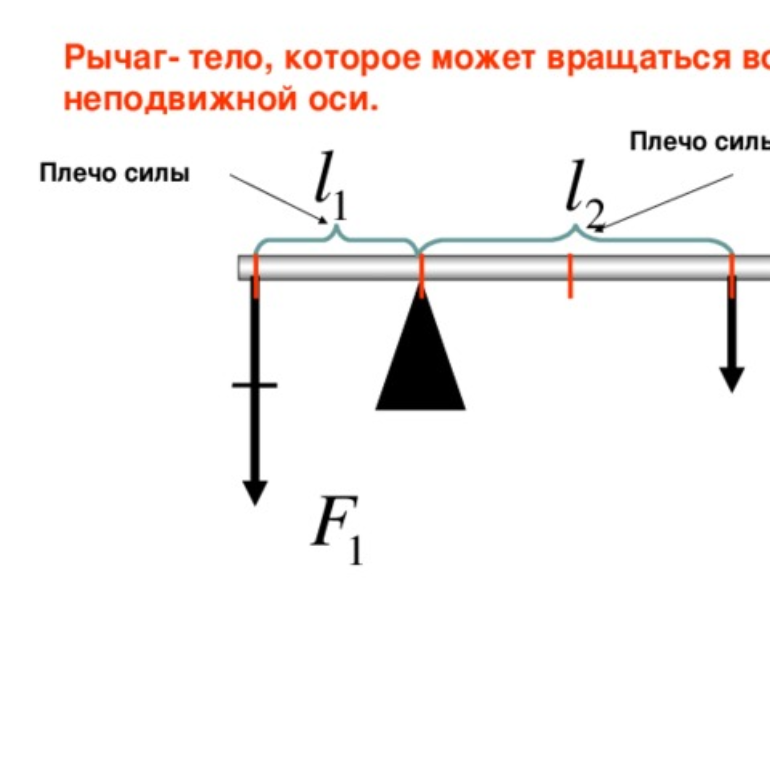
Простые механизмы. Рычаги. Урок физики в 7 классе.
Русский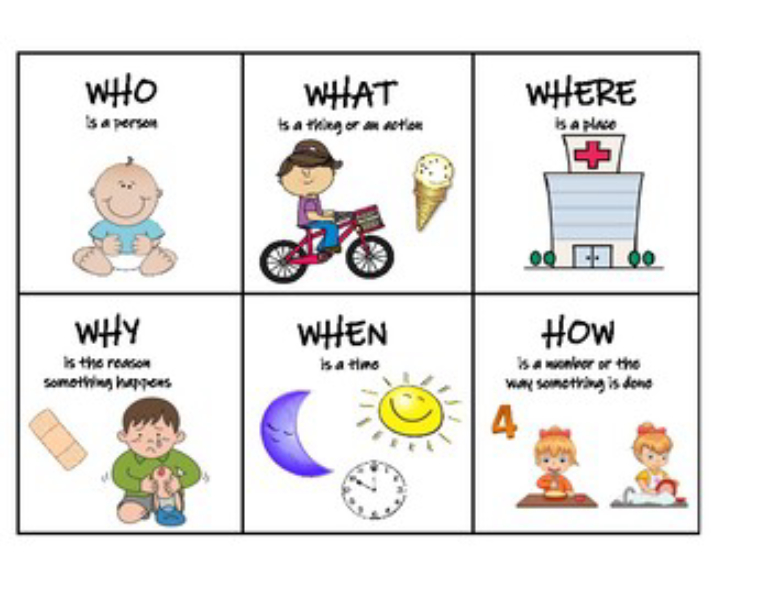
Легкий тест для детей на знание специальных вопрос в английском языке
Английский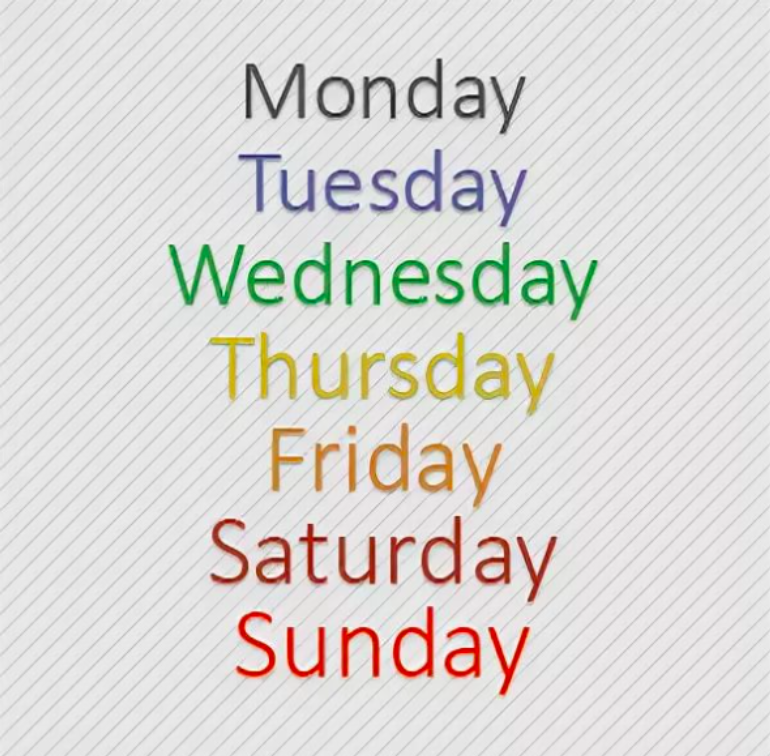
Тест на знание английских слов – Дни недели (Day of the week)
Русский
 Русский
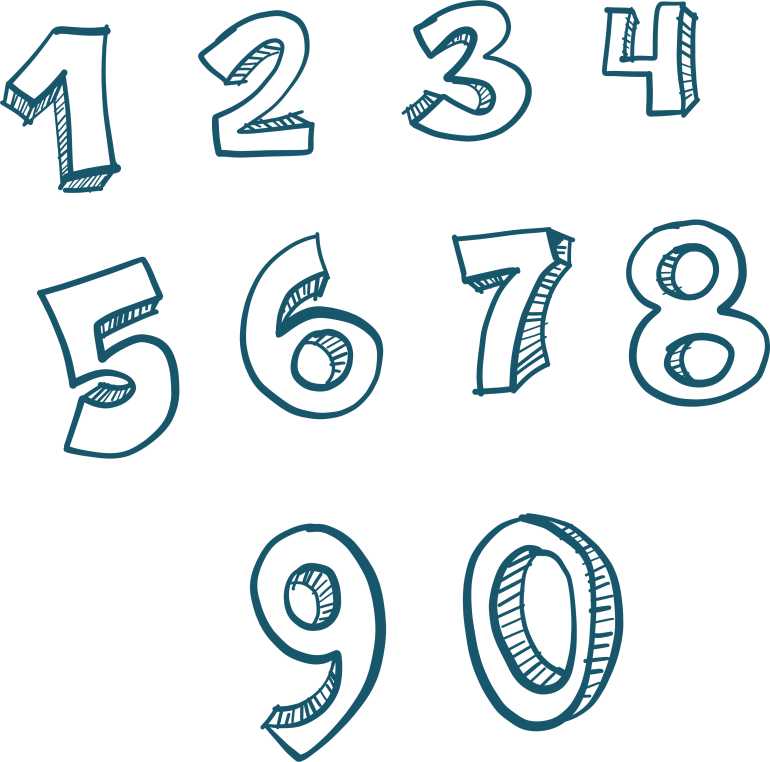
Match the pairs, learn numbers in English
Английский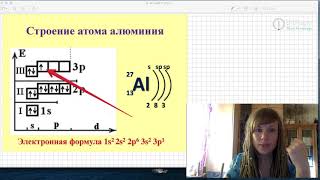 Русский

Полезный урок для тренировки разговорного английского и произношения. Сначало читаете с английскими субтитрами, а потом без помощи субтитров. Упражнение не на понимание текса, а именно тренировка речи.
Английский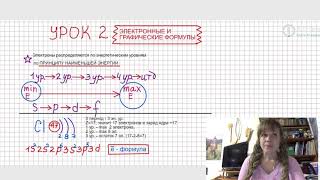 Русский
Song lesson kid friendly Tailor Swift
Английский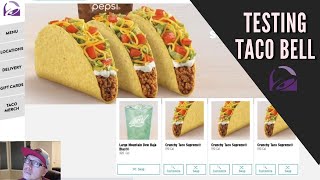
Exploratay testing of the Taco Bell website = QA
Английский
A couch is a sofa, such as people have in their sitting-rooms, often in front of the television. Some people spend a lot of time sitting on the couch watching television, and probably getting fat for want of exercise. We have a name for such people in English – couch potatoes. And, as British people are well known for watching TV a lot, perhaps we are a nation of couch potatoes. Google, the company that runs the internet search engine, has just published a survey which claims that British people now spend more time on the internet than they do watching television – 164 minutes a day on average on the internet, 148 minutes watching television.
Английский
Many English learners find that they get confused between words like "ago", "since" and "for". Today's podcast gives you lots of examples of how to use these words; I hope it will help you to use them correctly.
Английский
A few years ago there were lots of lightbulb jokes in English. You probably had them in your language too. Here is an example. How many policemen/civil servants/school teachers does it take to change a lightbulb? Five – one to stand on a table holding the lightbulb, and four to pick the table up and turn it round. Some people find these jokes very funny. Other people don't think they are funny at all.
Английский
Techno Car: The Future of Driving" explores the intersection of cutting-edge automotive tech and smart mobility. From autonomous driving and AI-powered cockpits to electric powertrains and futuristic connectivity, discover how technology is completely redefining the modern car and changing how we hit the road.
Английский
Подкаст, продолжительность 11 минут, Как в Австралии решают вопрос где и с кем оставить детей после школы, пока родители работают.
АнглийскийБосни́йский язы́к (также босняцкий, босанский, бошняцкий; самоназвание: bosanski jezik / босански језик) — язык южнославянской группы, традиционно считающийся этнолектом сербохорватского. Это язык мусульманского населения бывшей Югославии, распространённый преимущественно в Боснии и Герцеговине, где имеет официальный статус, в Сербии (главным образом, в области Новопазарский Санджак), в Черногории и в частично признанной Республике Косово. В Республике Сербской язык официально называется језик бошњачког народа. Основные отличия языка от сербского и хорватского заключаются в широко представленных турцизмах, арабизмах и персизмах, закрепившихся здесь во времена господства Османской империи. На боснийском говорит около 1,33 млн человек. Письменность на латинице-гаевице и кириллице-вуковице, ранее применялись также арабское письмо, глаголица и босанчица (местная разновидность кириллицы). Приложение для изучения боснийского языка: https://www.lingo-play.com/ru/онлайн-уроки-боснийского-языка/
Русский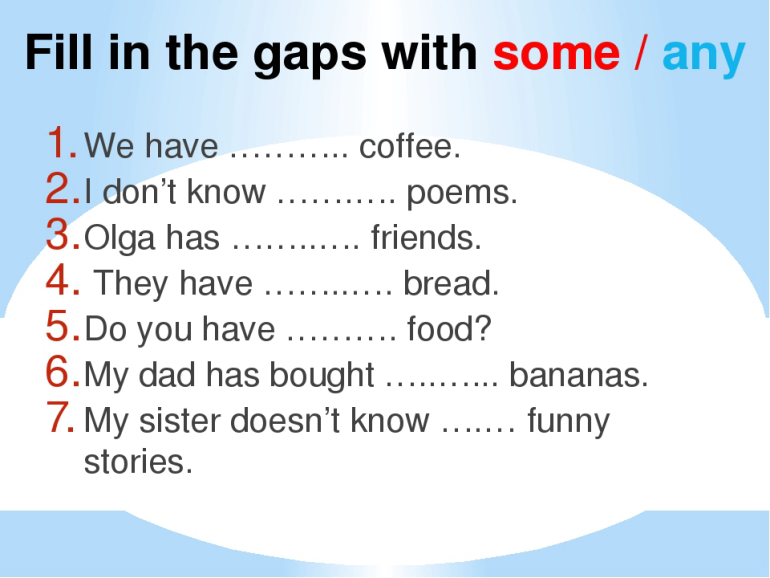
Fill the gaps with some or any
Английский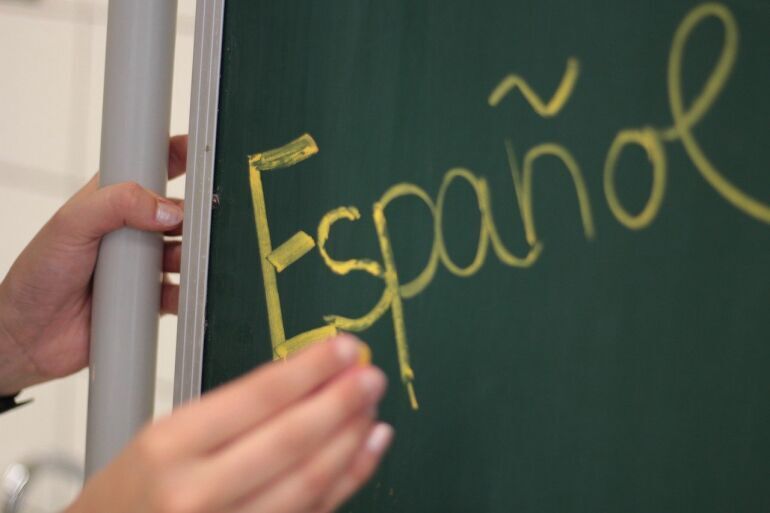
Does your business or job requires Spanish speaking? Or you just want to be fluent in order to travel and discorver new amazing places and people? No matter the reason, a native speaker of Spanish with 4 years of experience in teaching is always the best option to become proficient! Te espero!
Испанский
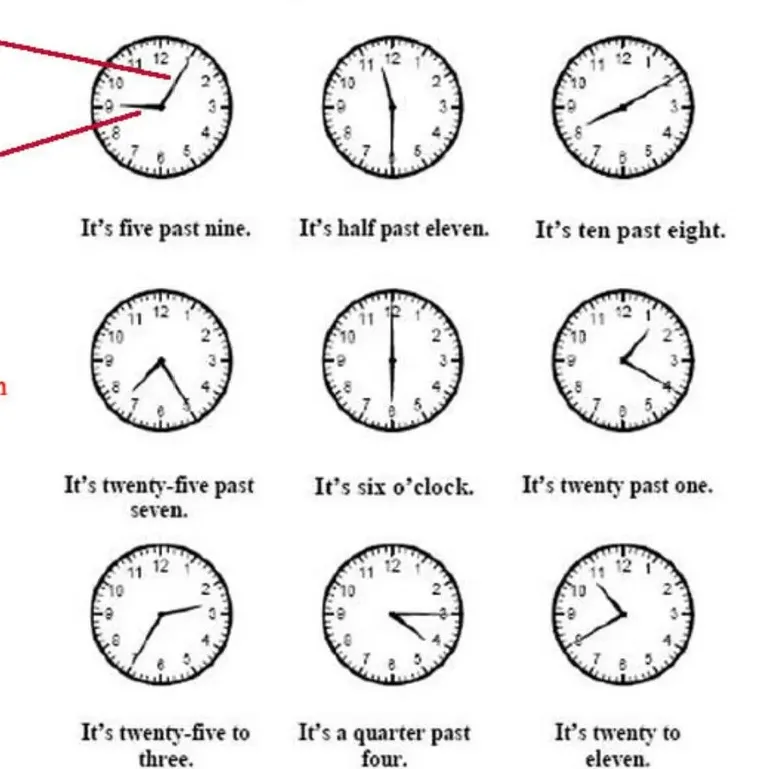
This lesson helps learners understand how to ask for and tell the time in English. Students will learn key expressions such as o’clock, half past, quarter past/to, and how to use a.m. and p.m. They will also practice common questions and answers: “What time is it? – It’s …” and “When does it start? – At …”. The lesson includes: Vocabulary and numbers 1–59 Different ways of telling the time (analog & digital clocks) Using past / to for minutes Expressions with in the morning/afternoon/evening, at night Daily routine activities with time references Activities involve dialogues, matching clocks with the correct time, and role plays to practice schedules and appointments. By the end of the lesson, learners will be able to confidently tell and ask the time in English.
Английский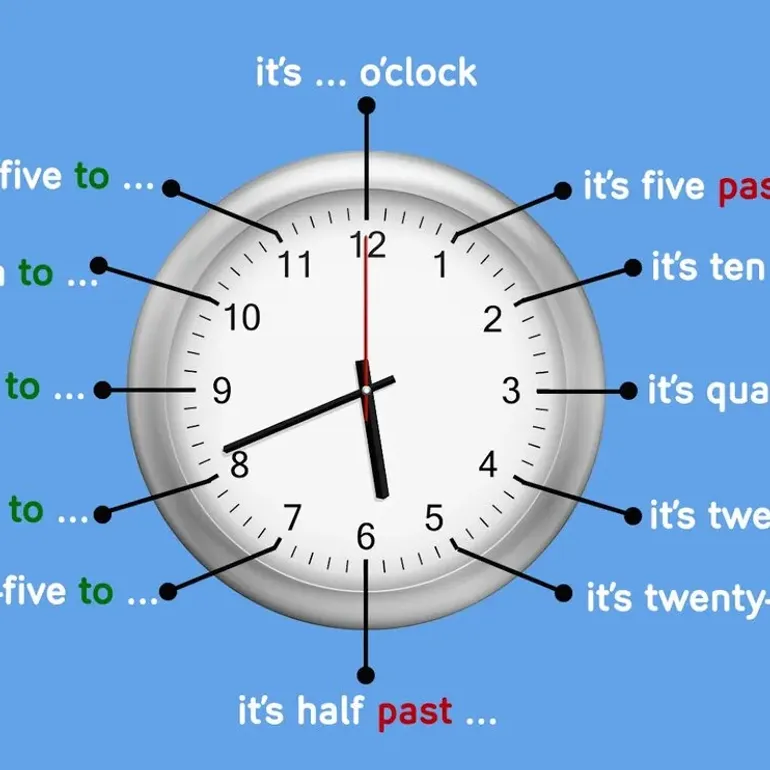
This lesson helps learners understand how to ask for and tell the time in English. Students will learn key expressions such as o’clock, half past, quarter past/to, and how to use a.m. and p.m. They will also practice common questions and answers: “What time is it? – It’s …” and “When does it start? – At …”.
Английский
Уровни владения английским языком: 1.A — Элементарное владение (Basic User): A1 — Уровень выживания (Beginner и Elementary), A2 — Предпороговый уровень (Pre-Intermediate). 2.B — Самостоятельное владение (Independent User): B1 — Пороговый уровень (Intermediate), B2 — Пороговый продвинутый уровень (Upper-Intermediate). 3.C — Свободное владение (Proficient User): C1 — Уровень профессионального владения (Advanced), C2 — Уровень владения в совершенстве (Proficiency).
Русский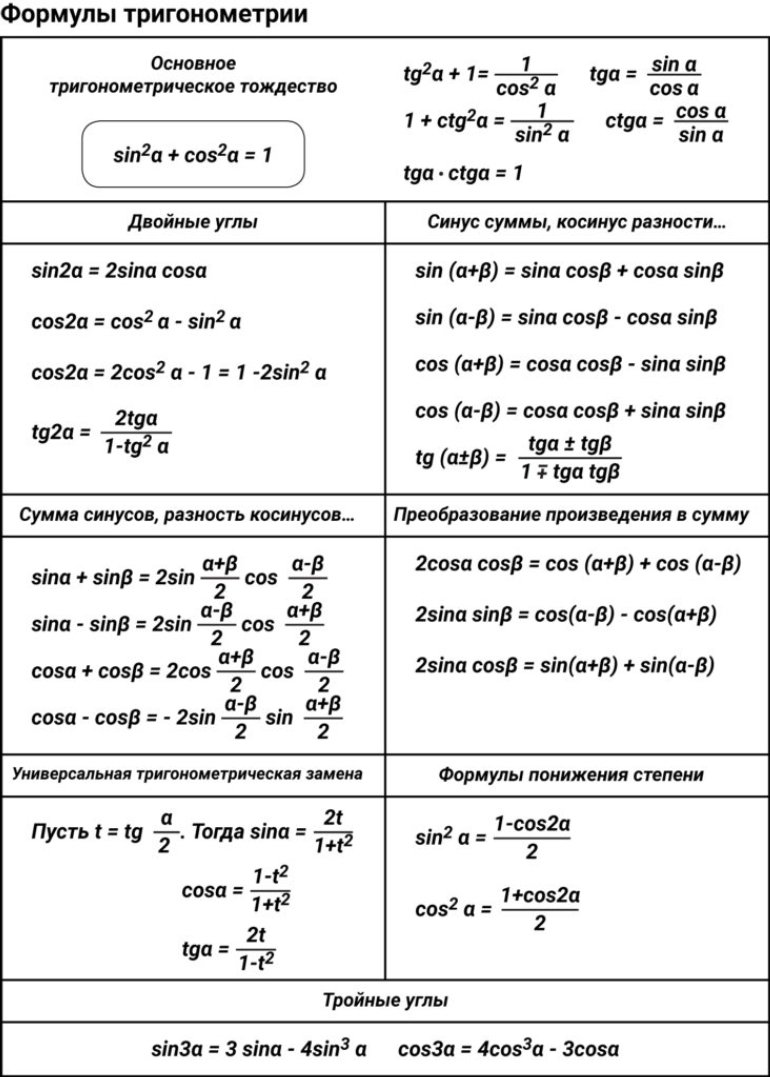
Таблица, в которой собраны основные тригонометрические формулы. Здесь все самое необходимое. Их легко выучить и применять.
Русский
Описание человека по краткой информации
Французский
На уроке вы научитесь подбирать проверочные слова, узнавать орфограммы, закрепите навык проверки безударных гласных в корне
Русский
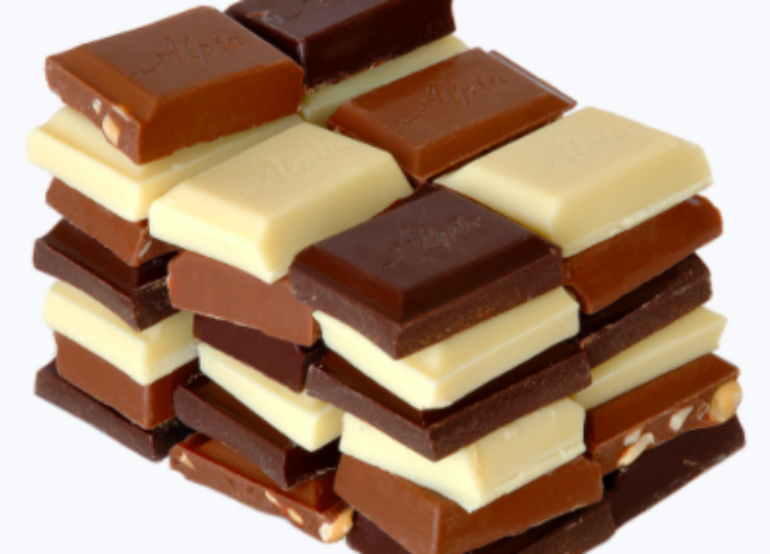
BOB DOUGHTY: I'm Bob Doughty. SHIRLEY GRIFFITH: And I'm Shirley Griffith with EXPLORATIONS in VOA Special English. Today we travel around the world exploring the history of chocolate. Its story begins with a plant whose scientific name, Theobroma cacao, means "food of the gods." For centuries, people have been enjoying the rich flavor of chocolate, a product made from this plant. Join us as we tell about the history of chocolate and how it is produced. We will also meet Jane Morris, a chocolate maker in Washington, DC. (MUSIC) BOB DOUGHTY: Most people today think of chocolate as something sweet to eat or drink than can be easily found in stores around the world. It might surprise you that chocolate was once highly treasured. SHIRLEY GRIFFITH: Historians believe the Maya people of Central America first learned to farm cacao plants around two thousand years ago. The Maya took the cacao trees from the rainforests and grew them in their gardens. They cooked the cacao seeds, then crushed them into a soft paste. They mixed the paste with water and flavorful spices to make an unsweetened chocolate drink. The Maya poured the chocolate drink back and forth between two containers so that the liquid had a layer of bubbles, or foam. Cacao and chocolate were an important part of Maya culture. There are often images of cacao plants on Maya buildings and art objects. Ruling families drank chocolate at special ceremonies. And, even poorer members of society could enjoy the drink once in a while.
Английский
How a music and dance form created in New York in the early 1970s is giving artists worldwide a new stage for political expression.
АнглийскийMany English learners find that they get confused between words like "ago", "since" and "for". Today's podcast gives you lots of examples of how to use these words; I hope it will help you to use them correctly.
Английский
Смотрим видео и практикуем разговорный английский
Русский
How much should I tip while traveling? That’s one of many normal questions to ask before vacation. But some questions you may not think to ask include: Is it okay to wear shoes in someone’s house on vacation? Can I give someone a thumbs up in another country? Is it rude to finish all the food on my plate in another country? Do I need to cover my mouth when I laugh while on vacation? What do I do if I need to blow my nose in public while abroad? While you wouldn’t even think of these as offensive behaviors, there are many things Americans do that are rude in other countries. WatchMojo takes a look at the Top 10 American Customs That May Be Offensive In Other Countries so you can avoid looking like you have bad manners while on vacation.
Английский