


- Английский
Customers
In this lesson we will discuss customers experience and passive voice.
- Теория с упражнением
- Продвинутый
 Английский

In this lesson we will discuss customers experience and passive voice.
Английский
One of the world's most popular games, played by millions of people worldwide in homes, parks, clubs, online, by correspondence, and in tournaments. In recent years, chess has become part of some school curricula.
Английский

Intelligence. What does it mean? The word "intelligence" has two main meanings in English. First, it can mean "mental capacity" – if you are intelligent, you can think clearly and rationally, for example. But "intelligence" also means information. For example, we can talk about "market intelligence" – and that means, information about what is happening in a market, such as the stock market or the international oil market. Very often, we use "intelligence" to mean information which is secret, or which has been obtained illegally.
Английский

in this lesson you will know how to greet people, alphabet and basic reading rules
Итальянский

Hip-hop artists sing about important social issues for young people.
Русский
Was ist "reisen"? Wozu reist man? Welche Länder kann man besuchen?
Русский

In this class we will discuss the topic of travelling, learn new vocabulary like transport and other. Also we will revise comparative and superlative adjectives.
Английский
AI is something that can truly change our reality, or has it already done it? Social media is already influencing us, that's for sure! In this lesson, you will look at the results of using new technologies and try to predict the possible effects this usage can have in the near future. The best predictor of future performance is past performance, right?
Английский
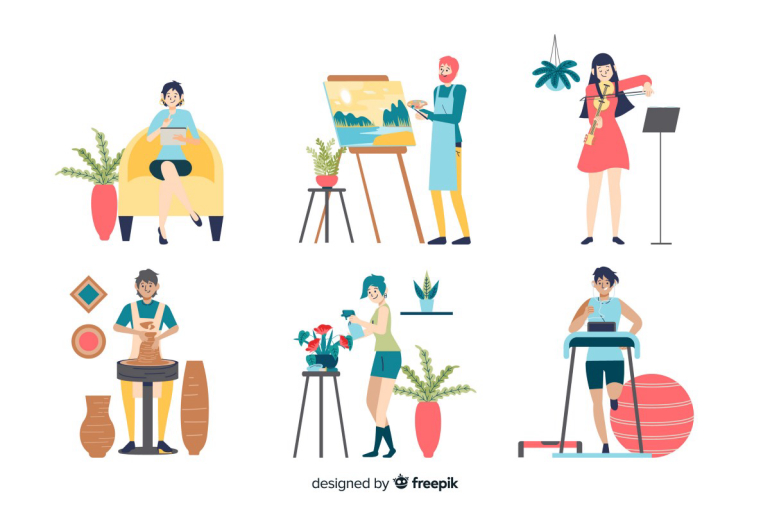
In this class we will talk about hobbies and present simple (negative sentences and time markers)
Английский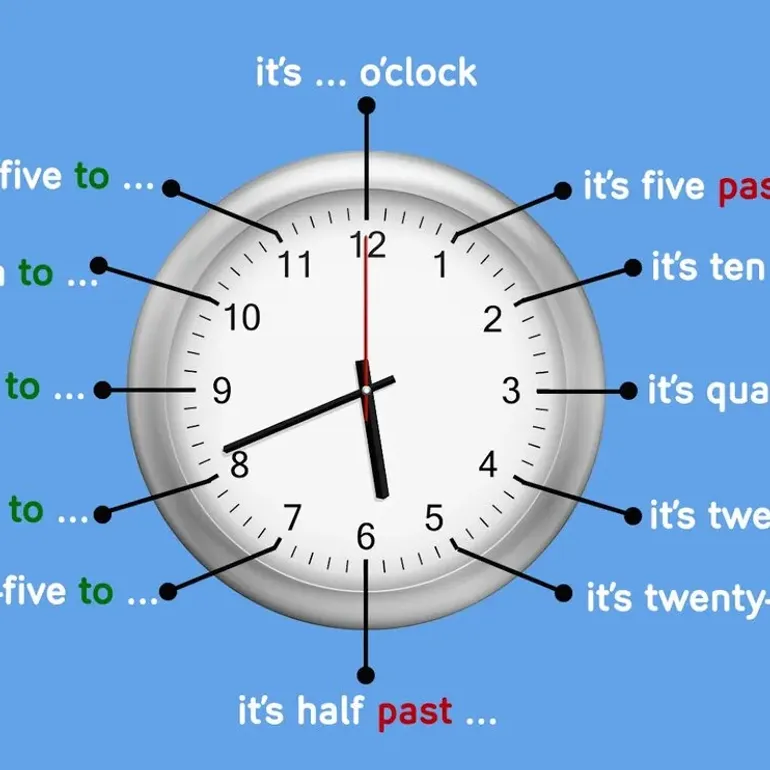
This lesson helps learners understand how to ask for and tell the time in English. Students will learn key expressions such as o’clock, half past, quarter past/to, and how to use a.m. and p.m. They will also practice common questions and answers: “What time is it? – It’s …” and “When does it start? – At …”.
Английский