


- Английский
Presentation structure
In this class we will discuss Presentation structure and Present tenses
- Теория с упражнением
- Средний уровень
 Английский

In this class we will discuss Presentation structure and Present tenses
АнглийскийIn this class we will discuss life coaching and revise all tenses
АнглийскийRevision lesson 2 modal verbs and adj
Английский
In this class we will revise how to introduce yourself and the verb to be + present simple
Английский
In this lesson we will discuss conspiracy theories and have speaking tasks. We wil revise zero, first and second conditionals, see how to differ them.
Английский
In this lesson we will revise modal verbs
Английский
In this lesson we will discuss different organizational structures and new words
АнглийскийIn this class we will discuss presentations
Английский
In this class we will discuss Kyrgyzstan and revise future simple
Английский
In this class we will discuss different interesting rules in other countries. Also we will learn grammar - modal verbs Must and Have, practice they usage.
Английский
Hotel Reservations: Checking In on Essential English" is your practical guide to navigating hotel bookings with confidence. Learn the key phrases, vocabulary, and etiquette needed to request room types, negotiate check-in times, ask about amenities, and handle unexpected issues smoothly during your stay.
Английский

Class in GLOW marathone 2 about Machu Picchu
Английский

Edward de Bono's Six Thinking Hats approach is a simple way to gain objective perception of information in all areas. Putting on a hat of a certain color, a person plays a certain role that corresponds to it, looks at the problem from a certain point of view. There are six hats: white, yellow, red, black, green and blue.
Английский Русский

extract lessons from short movies and explain why they are important
Английский
alphabet (a,b,c,d,e) for children 4-5
Английский

Домашнее задание по занятиям 1, 2 и 3 Проверка знаний по темам to be, do does, притяжательный падеж
Русский

Get ready for your trip to Spain with this class- pluses, minuses, food and rules
Английский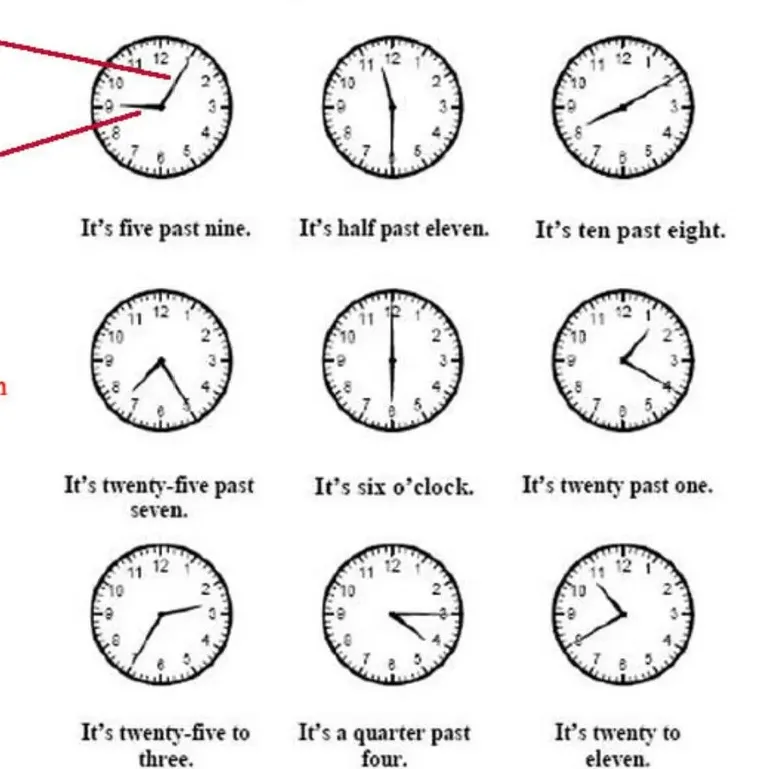
This lesson helps learners understand how to ask for and tell the time in English. Students will learn key expressions such as o’clock, half past, quarter past/to, and how to use a.m. and p.m. They will also practice common questions and answers: “What time is it? – It’s …” and “When does it start? – At …”. The lesson includes: Vocabulary and numbers 1–59 Different ways of telling the time (analog & digital clocks) Using past / to for minutes Expressions with in the morning/afternoon/evening, at night Daily routine activities with time references Activities involve dialogues, matching clocks with the correct time, and role plays to practice schedules and appointments. By the end of the lesson, learners will be able to confidently tell and ask the time in English.
Английский
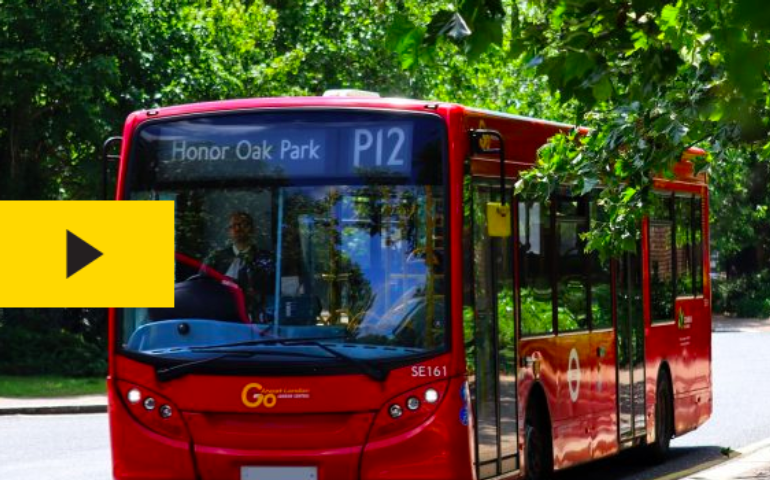
If you heard that there was a piece of technology that could do away with traffic jams, make cities more equitable, and help us solve climate change, you might think about driverless cars, or hyperloops or any of the other new transportation technologies that get lots of hype these days. But there is a much older, much less sexy piece of machinery that could be the key to making our cities more sustainable, more liveable, and more fair: the humble bus. Steven Higashide is a transit expert, bus champion, and author of a new book called Better Buses Better Cities. And the central thesis of the book is that buses have the power to remake our cities for the better. But he says that if we want the bus to reach its potential, we’re going to have to make the experience riding one, a lot more pleasant.
Английский