RU
How does Onclass work? Support Online now: 655

Vocabulary exercises / Lessons

Popular lessons

0
27
Podcast: "Hardware"
  • English

Podcast: "Hardware"

"Hardware" means the computer itself and other machines which are connected to the computer such as printers or external disk drives. "Software" means the electronic programmes which make the computer do what you want it to do (or, sometimes, what the computer wants to do!)

  • Podcast
  • Intermediate
  • English
Eugeniia Klimutina
Eugeniia Klimutina
0
27
Speaking class
  • English

Speaking class

In this class we will practice speaking skill about family, friendship and happiness

  • Theory
  • Elementary
  • English
Maria  Nekrasova
Maria Nekrasova
0
27
Zero and first conditionals
  • English

Zero and first conditionals

In this lesson we will talk about 21 century and different addictions. Also we will start learning conditional sentences (Zero and First conditionals).

  • Theory with exercises
  • Intermediate
  • English
Maria  Nekrasova
Maria Nekrasova
0
27
Animals
  • English

Animals

In this class we will discuss animals, learn where to use really and very and revise to be going to

  • Theory with exercises
  • Elementary
  • English
Maria  Nekrasova
Maria Nekrasova
0
27
Out of gym
  • English

Out of gym

In this lesson, you will learn about alternative ways of keeping fit. You'll get to know some words and expressions on the topic of physical activities. Also, you will learn about the usage of stative verbs in English.

  • Exercise
  • Pre-Intermediate
  • English
Darina Gribanova
Darina Gribanova
0
27
Customers
  • English

Customers

In this lesson we will discuss customers experience and passive voice.

  • Theory with exercises
  • Advanced
  • English
Maria  Nekrasova
Maria Nekrasova
0
26
What time is it?
  • English

What time is it?

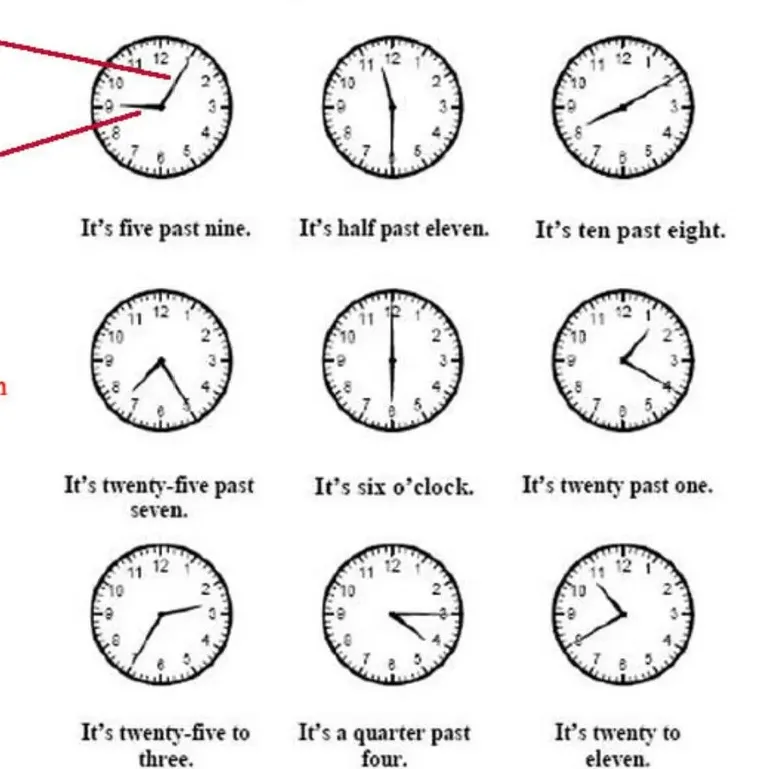
This lesson helps learners understand how to ask for and tell the time in English. Students will learn key expressions such as o’clock, half past, quarter past/to, and how to use a.m. and p.m. They will also practice common questions and answers: “What time is it? – It’s …” and “When does it start? – At …”. The lesson includes: Vocabulary and numbers 1–59 Different ways of telling the time (analog & digital clocks) Using past / to for minutes Expressions with in the morning/afternoon/evening, at night Daily routine activities with time references Activities involve dialogues, matching clocks with the correct time, and role plays to practice schedules and appointments. By the end of the lesson, learners will be able to confidently tell and ask the time in English.

  • Image
  • Beginner
  • English
Oleg Ivanov
Oleg Ivanov
How to play chess?
  • English

How to play chess?

One of the world's most popular games, played by millions of people worldwide in homes, parks, clubs, online, by correspondence, and in tournaments. In recent years, chess has become part of some school curricula.

  • Video
  • Beginner
  • English
Oleg Ivanov
Oleg Ivanov
0
26
Family
  • Russian

Family

In our next Russian lesson will introduce words and phrases associated with families. This will allow you to talk about your family, which is a very popular topic of conversation in Russia. One of the important concepts that we will introduce in this lesson is possessive pronouns. Possesive pronouns are words such as: my, your, his, her, and our. Personal pronouns are normally used to indicate the ownership of an object. The other method to indicate ownership is to use the genative case.

  • Theory
  • Beginner
  • Russian
Eugeniia Klimutina
Eugeniia Klimutina

Other lessons

0
27
Podcast: "Hardware"
  • English

Podcast: "Hardware"

"Hardware" means the computer itself and other machines which are connected to the computer such as printers or external disk drives. "Software" means the electronic programmes which make the computer do what you want it to do (or, sometimes, what the computer wants to do!)

  • Podcast
  • Intermediate
  • English
Eugeniia Klimutina
Eugeniia Klimutina
0
27
Speaking class
  • English

Speaking class

In this class we will practice speaking skill about family, friendship and happiness

  • Theory
  • Elementary
  • English
Maria  Nekrasova
Maria Nekrasova
0
27
Zero and first conditionals
  • English

Zero and first conditionals

In this lesson we will talk about 21 century and different addictions. Also we will start learning conditional sentences (Zero and First conditionals).

  • Theory with exercises
  • Intermediate
  • English
Maria  Nekrasova
Maria Nekrasova
0
27
Animals
  • English

Animals

In this class we will discuss animals, learn where to use really and very and revise to be going to

  • Theory with exercises
  • Elementary
  • English
Maria  Nekrasova
Maria Nekrasova
0
27
Out of gym
  • English

Out of gym

In this lesson, you will learn about alternative ways of keeping fit. You'll get to know some words and expressions on the topic of physical activities. Also, you will learn about the usage of stative verbs in English.

  • Exercise
  • Pre-Intermediate
  • English
Darina Gribanova
Darina Gribanova
0
27
Customers
  • English

Customers

In this lesson we will discuss customers experience and passive voice.

  • Theory with exercises
  • Advanced
  • English
Maria  Nekrasova
Maria Nekrasova
0
26
What time is it?
  • English

What time is it?

This lesson helps learners understand how to ask for and tell the time in English. Students will learn key expressions such as o’clock, half past, quarter past/to, and how to use a.m. and p.m. They will also practice common questions and answers: “What time is it? – It’s …” and “When does it start? – At …”. The lesson includes: Vocabulary and numbers 1–59 Different ways of telling the time (analog & digital clocks) Using past / to for minutes Expressions with in the morning/afternoon/evening, at night Daily routine activities with time references Activities involve dialogues, matching clocks with the correct time, and role plays to practice schedules and appointments. By the end of the lesson, learners will be able to confidently tell and ask the time in English.

  • Image
  • Beginner
  • English
Oleg Ivanov
Oleg Ivanov
How to play chess?
  • English

How to play chess?

One of the world's most popular games, played by millions of people worldwide in homes, parks, clubs, online, by correspondence, and in tournaments. In recent years, chess has become part of some school curricula.

  • Video
  • Beginner
  • English
Oleg Ivanov
Oleg Ivanov
0
26
Family
  • Russian

Family

In our next Russian lesson will introduce words and phrases associated with families. This will allow you to talk about your family, which is a very popular topic of conversation in Russia. One of the important concepts that we will introduce in this lesson is possessive pronouns. Possesive pronouns are words such as: my, your, his, her, and our. Personal pronouns are normally used to indicate the ownership of an object. The other method to indicate ownership is to use the genative case.

  • Theory
  • Beginner
  • Russian
Eugeniia Klimutina
Eugeniia Klimutina